
The Touring Stop, Explained: What a One-Week Stand Means for a City, a Cast and a Presenter
The calendar gives the shape of it. The Phantom of the Opera plays the Smith Center in Las Vegas from October 21 to November 1, 2026. Three days later, The Book of Mormon opens at the Venetian Theatre, November 4 to 15. Each of those date ranges is a set of contracts, trucks and subscriptions. This guide reads them.
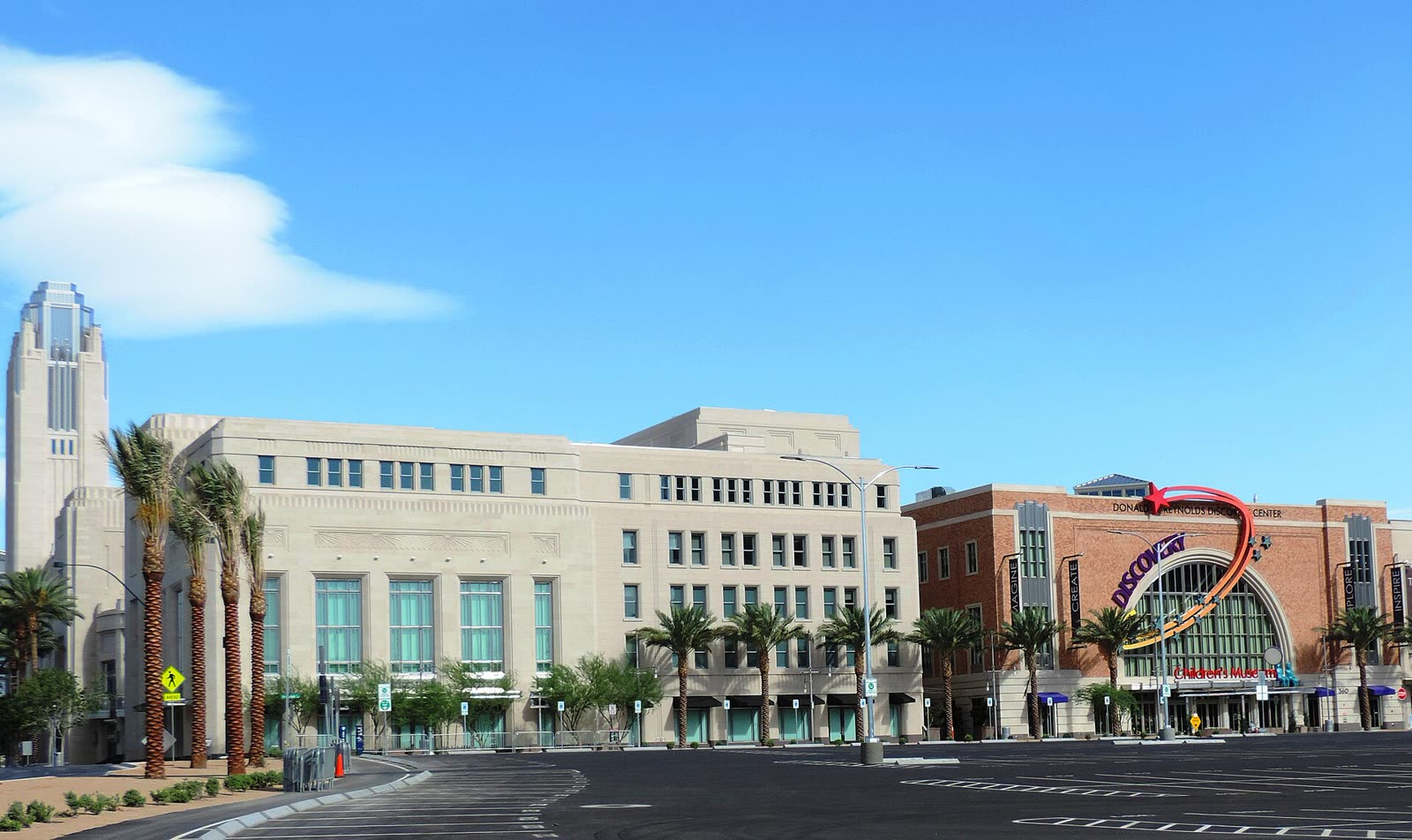
Start with the calendar, because the calendar is the contract made visible. This autumn in Las Vegas, The Phantom of the Opera plays Reynolds Hall at the Smith Center from October 21 to November 1, 2026, a stand of just under two weeks. The Book of Mormon follows at the Venetian Theatre from November 4 to 15. A Broadway musical does not visit a city the way a band does. It moves in, employs locally, performs a fixed number of shows, and moves out on a schedule set a year or more ahead. The one-week stand, eight performances in six or seven days, is the standard unit of that system. Here is what the unit means for each party to it.
For the presenter: a guarantee, bought a season ahead
The local presenter — a performing arts centre, or a commercial presenter such as Broadway Across America working with the venue — does not rent the show the way a cinema books a film. Under the standard guarantee deal, the presenter pays the touring production a fixed weekly guarantee, regardless of how tickets sell, plus a royalty, and then shares box-office profit above an agreed threshold once the presenter's expenses are recovered. Industry reporting from the Broadway League's road conference put the guarantee range for the biggest shows at $250,000 to $400,000 per week in 2010 figures; the structure, not the number, is what has lasted.
The presenter carries the local costs: stagehands, ushers, box office, marketing. What the presenter holds in return is the subscription. Touring seasons are sold as packages, months ahead, to subscribers who commit to the whole season. BroadwayWorld's 2026 analysis of touring contracts describes the consequence plainly: the subscription model gives most cities a substantially guaranteed audience for one week of a show's run, and adding a second or third week quickly becomes hard to finance, because the subscribers have already seen it and single-ticket demand in most markets will not fill a large house for a second eight performances.
That is why the calendar looks the way it does. A one-week stand is a show staying exactly as long as the local subscription base supports.
For the production: contracts written around the week
Touring companies work under Actors' Equity agreements tiered by the size of the engagement. BroadwayWorld's contract reporting sets out the current shape: the top levels, closest to the full Broadway production contract, cover tours playing multi-week engagements — the long runs of Hamilton, The Lion King, Wicked and the new Phantom tour. Levels Three through Seven, the descendants of the old Short Engagement Touring Agreement (SETA), cover the one-week majority, and most touring productions today travel on those terms.
The week disciplines the production physically. A set built for one-week stands has to load in, focus, tech and open on a schedule measured in hours, then load out and travel on the dark day. When Moulin Rouge! had played about eighteen months of multi-week engagements, BroadwayWorld reports, the production was re-teched and scaled down so it could play one-week engagements instead. The scenery a city sees in a one-week stand was designed, or redesigned, around that city's week.
There is a third deal shape worth naming because the calendar hides it. In a four-wall engagement, the production rents the theatre outright and keeps all ticket revenue, carrying the full risk itself. Trade discussion of touring economics notes that four-walling is rare for first-class subscription tours, where the guarantee deal rules, and standard for smaller and self-presented engagements.
For the cast and crew: a working week with the travel built in
For the company, the one-week stand has a rhythm that repeats for a year or more. Travel and load-in at the start of the week. Eight performances, typically Tuesday through Sunday with two-show days on the weekend. A dark Monday that is also the travel day to the next city. Local stagehands, hired in each city, work the load-in, the performances and the load-out alongside the touring crew who travel with the show.
The contract level sets the pay structure for that week, including the additional amounts owed when a booking runs longer than the norm for that presenter. The week is also the unit of risk for the performers: a one-week city offers no second week in which to recover from a cancelled flight, a late truck or an illness in the company. The cover system described in our swing feature exists on tour in a harder form, because the nearest replacement is in the company, not in the same city as a home base.
For the city: what a date range actually delivers
Read the Las Vegas calendar again with the contracts in mind. The Smith Center's Phantom, October 21 to November 1, is a subscription anchor: a title that sells the season package around it. The Venetian's Book of Mormon, November 4 to 15, sits in a resort theatre, where the presenter economics run through a casino resort rather than a nonprofit centre. Both are the same national system wearing two local costumes.
For a city, a one-week stand means a fixed block of work for local crew, a fixed block of hotel nights for the touring company, and a fixed block of evenings on which several thousand people per performance come to one address, eat nearby and go home. It also means limits that the calendar enforces. A city that wants a show for three weeks has to have the subscription base to underwrite three weeks, or accept presenter risk that most presenters, on the guarantee structure, will not take.
The touring map of the United States is drawn by that arithmetic. Cities are not passed over because producers dislike them. They are routed for the number of weeks their subscription audience can carry, and the routing is set long before the truck is loaded. When a show you want announces one week in your city and three in another, the difference is rarely the show. It is the guarantee each city's audience can support.